
Fuel or Gas Safety and storage

Helping keep you and your family safe around fuel
How to handle fuel safely
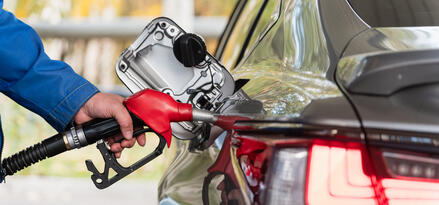
Exxon™ branded stations follow strict safety practices, but gasoline and diesel fuels are highly flammable. Exercise caution at all times and never smoke near fuel, especially at the pump. Always turn off the engine before fueling and avoid overfilling.
General precautions when handling fuel
- Fuel can cause skin irritation. If you get fuel on your skin, be sure to promptly wash it off with soapy water. Do not smoke or light a match (or any ignition source) until you’re sure all fuel has been removed.
- If you get fuel on your vehicle, use a rag or paper towel to wipe it off. Do not smoke or light a match (or any ignition source) until you’re sure all fuel has been removed.
- Fuel should only be used for its intended purpose — as a motor fuel. Do not mix fuel with kerosene or diesel. Do not use gasoline in kerosene heaters or lamps.
Staying safe at the station
- Gas stations are busy places with lots of vehicles and people moving around. As a safety precaution, we recommend paying close attention to your surroundings.
- Always turn off your vehicle before using your phone. Additionally, refrain from using your phone when walking across the station.
How to safely store gasoline
Fuel can be dangerous if not stored properly. It should only be stored when absolutely necessary in an appropriate container.
- Fuel must be stored in an approved fuel can or tank — usually five gallons or less. Be sure to leave room in the container to allow for expansion. If transporting the container, place it in your trunk.
- Keep fuel containers tightly sealed and handle them gently to avoid spills. Regularly check for leaks and quickly clean up any spills.
- Store fuel at room temperature, away from potential heat sources such as the sun, hot water heaters, space heaters or furnaces.
- Store fuel in a detached shed or garage — at least 50 feet away from ignition sources, such as pilot lights. Fuel vapors are heavier than air and can travel along the floor to ignition sources.
- Consider referring to your local authorities for any additional regulations regarding fuel storage.
FAQs about safety and storage
According to the Federal Communications Commission, there is no documented incident where the use of a cell phone was found to cause a fire at a fuel station. But please remember to use your phone responsibly. Never use your phone when driving and make sure your car is parked safely and shut off before using your phone.
Try mixing vanilla extract with water and rubbing it on your hands until the mixture reduces or removes the smell. You can also use rubbing alcohol or lemon juice. Once the gasoline smell is gone, wash your hands with soap and water.†
Immediately flush your eye with clean, lukewarm water. Do not rub your eye or put anything in it (such as eye drops). Seek medical assistance as quickly as possible.††
In general, gasoline should be used within a month of purchase. When the engine will not be used for an extended period of time, it’s best to drain the fuel tank and then run the engine until it stalls. If you choose to store gasoline and follow proper storage guidelines, the gasoline can be expected to remain of good quality between six and 12 months, depending on the fuel type.
Check with your local government or hazardous waste disposal center to determine the proper avenues for disposing of gasoline. If you are cleaning up spilled gasoline, place recovered gasoline and cleanup materials in approved, labeled containers for proper disposal. Spilled gasoline or cleaning materials should never be left on the ground or put in your garbage, drains, toilets or sewers. Improper disposal could cause a fire or cause gasoline to seep into streams, bays, lakes or groundwater.
-

Get more out of every trip
Explore our comprehensive list of tips to help you improve fuel efficiency and get more out of every trip.
Get fuel tips -

Quality fuels to get you where you're going
Discover what steps we take to oversee the quality of our fuels.
About our quality -
Choose the right octane for your drive
Learn about octane and how choosing the right level helps your engine run smoothly and efficiently.
About octane ratings -

Find the best fuel for your drive
Explore different fuel types and see which one matches your vehicle’s needs.
About fuel types
Sources:
Fuel Container, Gasoline and other Liquid Safety Fuel. Consumer Product Safety Commission. Web. 2023.
††Chemical splash in the eye: First aid. Mayo Clinic. Web. 10 Aug. 2024.
Fuel Container, Gasoline and other Liquid Safety Fuel. Consumer Product Safety Commission. Web. 2023.
††Chemical splash in the eye: First aid. Mayo Clinic. Web. 10 Aug. 2024.